

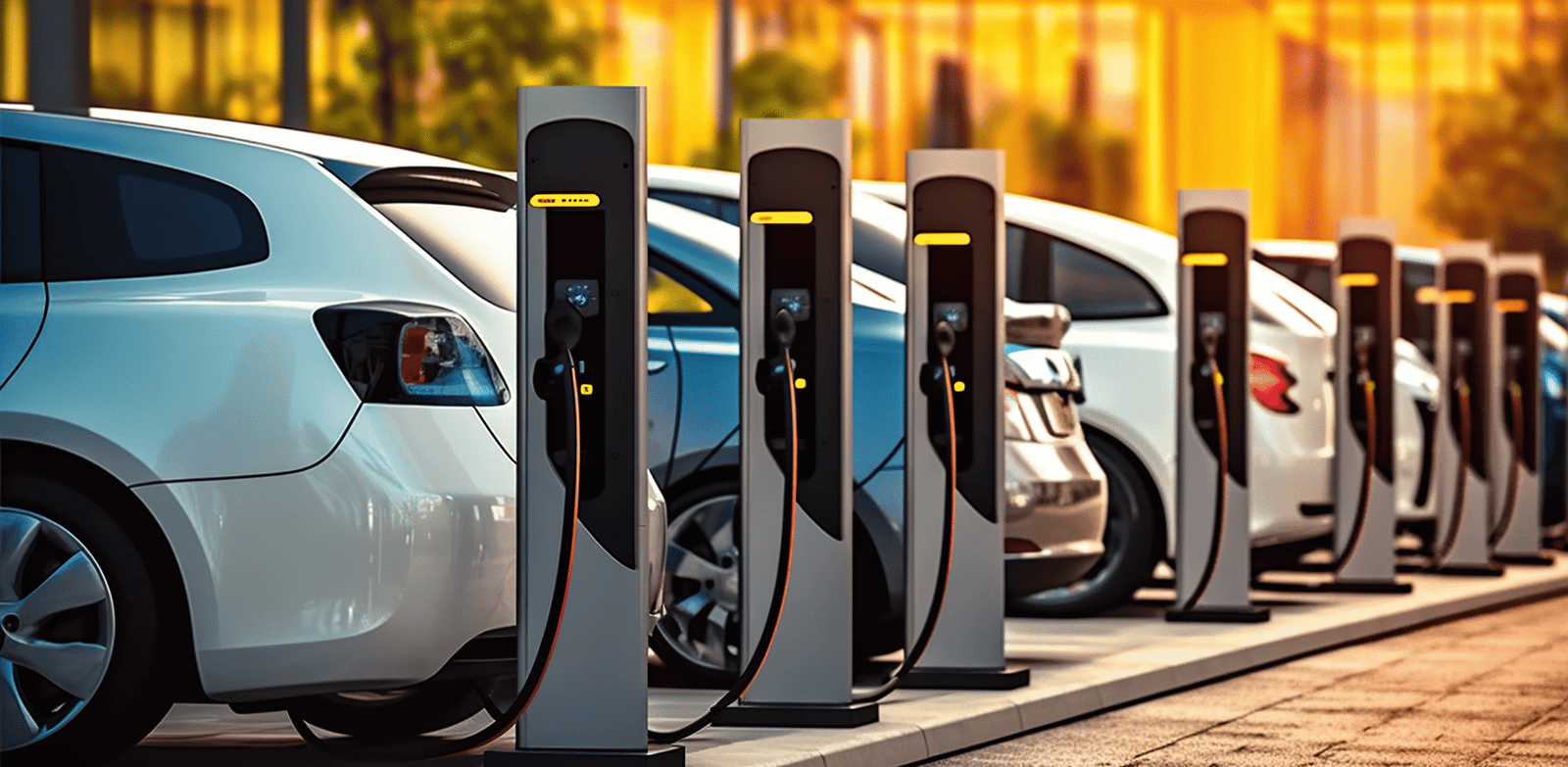
A Practical Guide for Fleet Managers Transitioning to Electric Vehicles

The future of commercial transport is electric—and the pressure is mounting for fleets to move away from Internal Combustion Engine (ICE) vehicles. Whether driven by net-zero targets, ESG reporting, low-emission zones, or fuel cost volatility, the shift is no longer a question of if, but when.

But switching from ICE to EV isn’t as simple as buying new vehicles.

If you’re a fleet manager planning the transition, here’s what you need to know before making the leap.

“There is not enough thought put into the proposals and installations from installers, creating a lack of confidence in infrastructure. Taking more time to understand and develop flexible, modular and suitable infrastructure is key the future of EV”Steve Halewood

Adaptors do exist and can be purchased online, but it’s importants for drivers to note what type of chargers they’re parking in front of Additionally, commercial entitie that want to provide EV charging on their property or parking lots should take into consideration that buying only Tesla EV drivers unable to use your services.
How EVcharge is the solution

If you are parking in front of an EV charging station, there are a few things you’ll need to determine For organizations looking to add public EV charging stations to their property, EvoCharge’s commercial charging solutions give you options when it comes to others will use your charger. There are different charging station features that allow you to control output, charging time, control access via, and even connect to a network for monitoring or accepting payments.

  • That extremely painful or again is there anyone.
  • Indignation and dislike men who are so beguiled and demoralized.
  • Desires these cases are perfectly simple easy distinguish.
  • That extremely painful or again that is there anyone.

Once you start to notice public EV charging station, you’ll begin to incorporate them into your schedule, such as planning on running an errand last so you can utilize the chargers in their parking lot. charger cannot be used on a Tesla vehicle without an adaptor.

Common Pitfalls to Avoid

What Fleet Managers Should Do Before Switching

1. Assess Your Duty Cycles

Understand how far your vehicles travel, how long they’re parked, and where they dwell. This data can sometimes be laborious, BUT very valuable. Telematics has proven to be able to demonstrate so many cost savings for EV. Even down to how every user drives their vehicle can determine the difference between needing additional charging. Therefore all this data determines charger power requirements and battery sizing. Making sure you get the right sized chargers that are fit for purpose is the most critical part, meaning you are not paying for hardware that you cannot use, but most importantly that the investment will suit and meet your demands and needs. This can be a very costly mistake.

2. Plan a Phased Rollout

Start with a pilot site or segment—validate assumptions, uncover hidden costs, and refine your processes before scaling. Why? Well primarily most installers want as much revenue as possible so will over sell the solution. This means you end up with more than you really need, and without the ability to study the outcome to make changes or adjustments for the next phase of your project. EV charging is a very new technology and an ever changing landscape, we should learn from our mistakes and make sure we get it right for the future! 

3. Choose the Right Charging Mix

Not all chargers are created equal. This is where the first two point come into effect. EV charging is not a one size fits all solution, every fleet and every industry has differing needs of urgency, cost and management. Therefore Fleets often need a combination of:

  • AC charging (7–22kW) for long-dwell, low-turnover vehicles

  • DC rapid charging (50kW–350kW+) for time-sensitive vehicles like vans or HGVs

  • Battery Energy Storage (BESS) to fast-charge where grid power isn’t sufficient

Getting step 1 of the usage profile and phasing the roll out are the first critical steps in getting fleet charging correct. Making sense so far? Staying with us? Good we are nearly there!

4. Integrate Energy Management

The future of EV charging is every getting interesting, with the increased use of energy it is becoming more apparent that intelligence is key. Ensuring the energy used for deploying charging is better used at times when energy is cheaper, this means effectively more MPG, therefore lower running costs and more profitable for business to operate fleets. So to avoid costly demand surcharges and maximise efficiency with smart EMS software, battery storage and utilising ‘off-grid’ energy that aligns charging with energy tariffs and fleet schedules, is a major part of the future of EV charging.

5. Future-Proof Everything

So recapping points 1-4 means that you really can future proof your electrification path, at least for the next 10-15 years. However there are so fundamental check points to at least future proof your compatibility such as;

  • OCPP compatibility. Avoid non-compliant chargers, aim for v2.01, but ensure minimum is v1.6J. Do not entertain closed protocol solutions as you are stuck in an inflexible solution with no way out, other than a costly change.
  • Ensure UK compliance for the likes of BS15118, Smart Charging and MiD compliance. Again without these it will be a costly change with current regulations needing to be compliant.

Other areas to look for are integration of telematics, a flexible and forward thinking CPMS provider and V2G options.

Ready to Start Your Transition?

Talk to GridUnlock about your fleet electrification goals, and we’ll help you build the right solution—designed around your vehicles, your site, and your future.

Leave a Reply

Your email address will not be published. Required fields are marked *

This field is required.

This field is required.